01
Build the foundation
Move through a structured Part 107 curriculum with concise lessons, diagrams, exam-focused callouts, and audio options for study away from the screen.

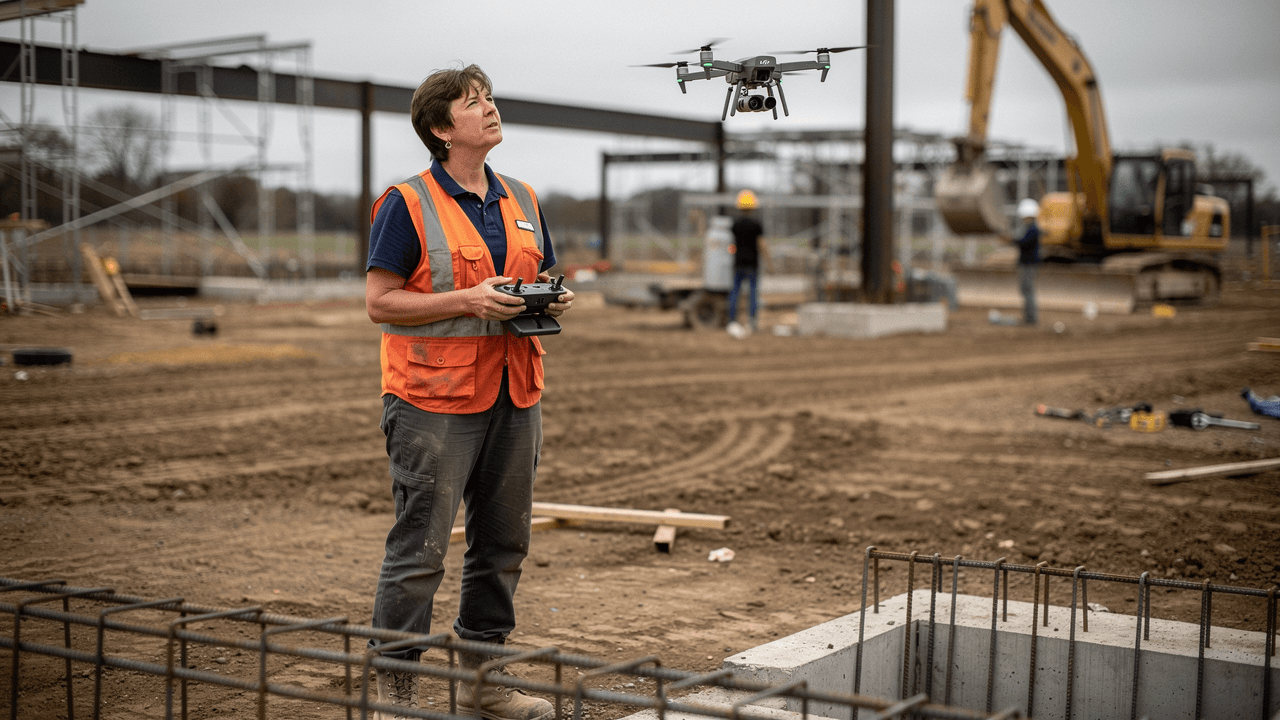
Study the rules, work real FAA charts, and take a free 20-question practice test. The course is 13 modules, 387 practice questions, and 3 full 60-question exams, with a 3-day Fast Track path when you are short on time.
Explore the platformRead the study guides
Course-price refund if you fail your first FAA Part 107 test after meeting the published course, practice-exam, and deadline terms. FAA and PSI test fees are not included. Full terms.
Astra combines instruction, deliberate practice, and readiness guidance in one system. You always know where you are, what is weak, and what to do next.
Move through a structured Part 107 curriculum with concise lessons, diagrams, exam-focused callouts, and audio options for study away from the screen.
Train against a public-domain FAA sectional figure with guided pins, measuring tools, identify mode, and chart questions.
Use topic quizzes, weak-area drills, flashcards, and three timed 60-question practice exams to close knowledge gaps.
Your performance becomes a clear study recommendation, so every session starts with the next best move.
This is a representative learner view using Astra’s real chart asset and readiness model—not a decorative dashboard mockup.
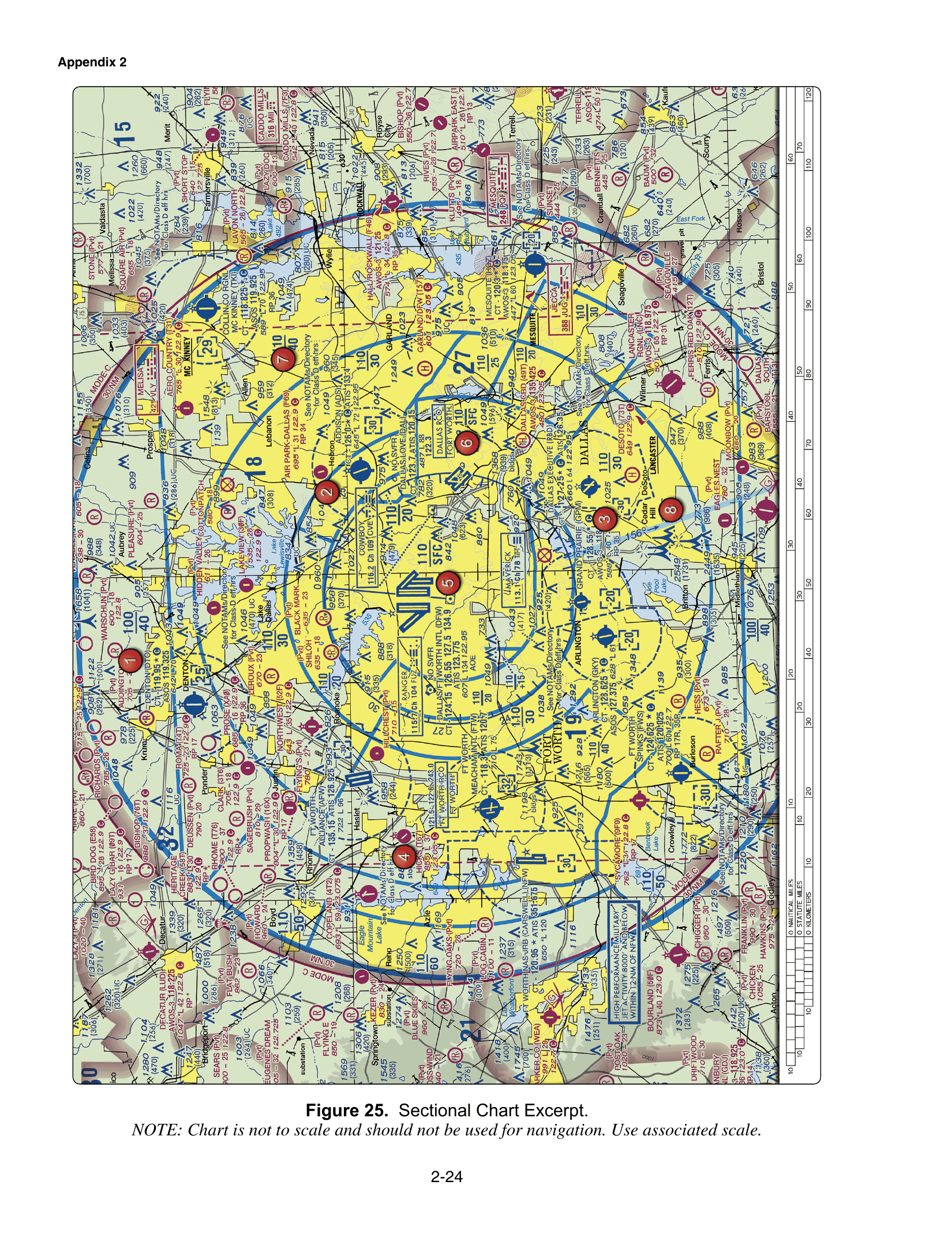
FAA-CT-8080-2H · Figure 25
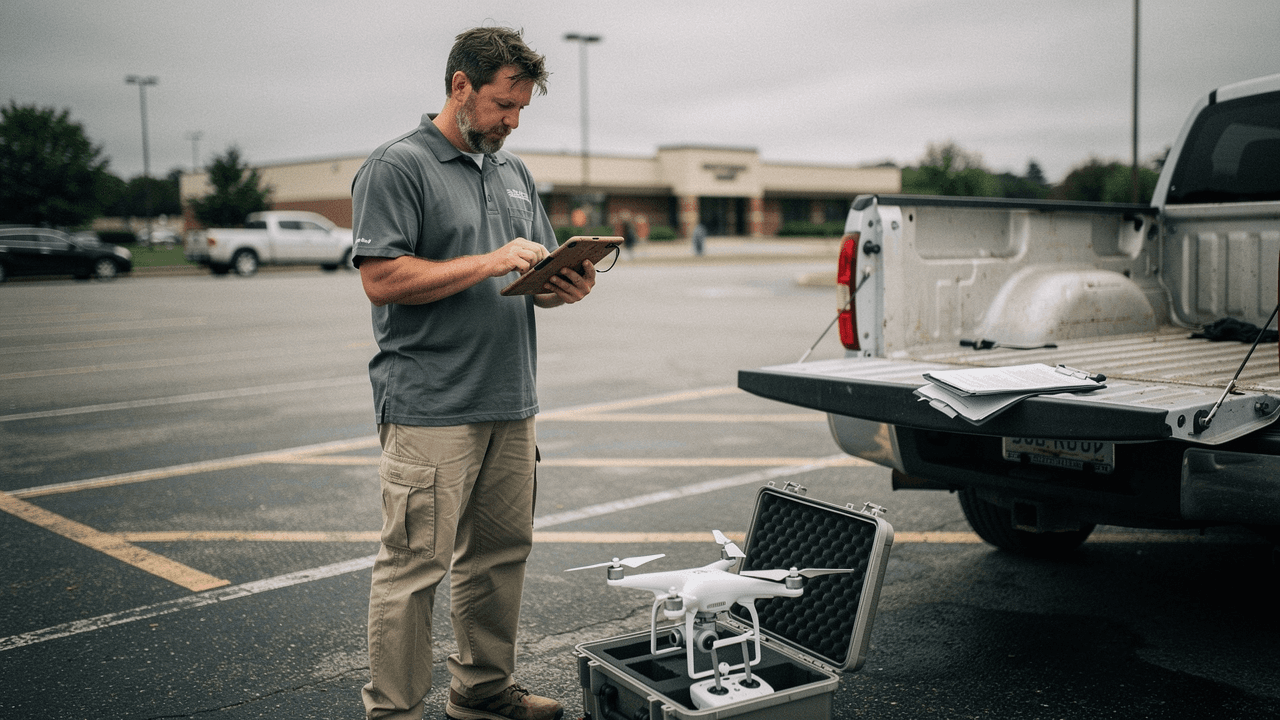
Lessons, charts, and practice stay tied to the FAA remote pilot knowledge test, so you know what to study before you schedule.
Astra’s early credibility comes from the product itself: verifiable source material, real FAA figures, server-side grading, and transparent readiness rules. Student outcomes will be published only when the founding cohort produces real data.
Graded question answers and explanations are never shipped to the browser before submission.
Technical chart training uses a documented public-domain FAA source—not invented aviation graphics.
Fees, timelines, and external policy details point students back to current official sources.
Kyra answers only from verified material: this course's lessons, the actual text of 14 CFR Part 107, the FAA's own certification standards and Chart Users' Guide, and our reviewed question bank. Every factual answer cites where it came from, and when something isn't in that material she tells you — and points you to the official FAA source — instead of guessing. Aviation is safety-critical; a confident wrong answer is worse than no answer.
Ask her about a lesson, a rule, or a chart symbol — or drop in a screenshot of a chart excerpt or practice question and ask about that. She's also where you reach us: her Messages tab goes straight to the team, and a human reads every message.
Short on time? Fast Track is the highest-yield path through the course, weighted the way the current scored exam is built: regulations 48%, operations 25%, airspace 20%, weather 5%, and loading and performance 2%. Included with every enrollment.
48% of the scored exam — the largest area, so it comes first.
20% of the scored exam. Guided pins on authentic FAA figures.
Operations is 25%. Weather (5%) and loading (2%) get a short pass, then you prove it.
Built from the PSI UAG bulletin effective September 29, 2025, and this course's verified materials — no recycled question dumps.
The first 10 individual pilots train for $50. Standard individual pricing is $149 — team pricing starts at $149/seat and drops with volume, down to $50/seat at 20+ seats.
Includes the pass guarantee. Full terms
Continue to pricingIncludes the pass guarantee. Full terms
Get team pricingAssign seats, track completion, identify at-risk learners, manage recurrent currency, and export compliance data from one operational console.